
Introduction
CBD gummies have become a convenient and popular way to experience the potential benefits of cannabidiol. From stress support to sleep routines, many people are adding these products to their daily lives. However, one question continues to create uncertainty: Can CBD gummies show up on a drug test?
The answer is more complex than a simple yes or no. While CBD itself is generally not the primary target of drug testing, certain factors—such as THC content, product quality, and frequency of use—can influence your results. Understanding how drug tests work and how CBD gummies fit into the picture is essential, especially if your job or lifestyle involves regular screening.
Do Drug Tests Check for CBD?
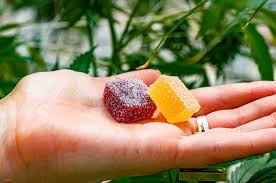
Most standard drug tests are not designed to detect CBD. Instead, they look for tetrahydrocannabinol (THC), the psychoactive compound found in cannabis.
Common workplace drug tests—such as urine screenings—typically identify THC metabolites, particularly THC-COOH, which remains in the body after THC is processed.
This means:
- Pure CBD should not trigger a positive result
- THC, even in small amounts, is the main concern
However, the situation becomes less straightforward when CBD products contain trace levels of THC.
Why CBD Gummies Can Sometimes Trigger a Positive Test
Even though CBD is non-intoxicating, some CBD gummies may contain small amounts of THC. This is especially true for certain types of CBD products.
1. Full-Spectrum CBD Gummies
Full-spectrum CBD includes a range of cannabinoids, including trace amounts of THC (usually within legal limits in many regions). While these levels are low, consistent use can lead to THC accumulation in the body over time.
2. Broad-Spectrum CBD Gummies
Broad-spectrum products typically remove THC while retaining other cannabinoids. However, incomplete processing or contamination can occasionally leave behind trace amounts.
3. CBD Isolate Gummies
CBD isolate is pure cannabidiol with no THC. In theory, these products should not cause a positive drug test, but quality control issues can still pose a risk if the product is mislabeled.
The Role of Product Quality and Label Accuracy
One of the biggest challenges in the CBD market is inconsistency in product labeling.
Some CBD gummies may:
- Contain more THC than advertised
- Be contaminated during manufacturing
- Lack proper third-party testing
Low-quality or unregulated products increase the risk of unknowingly consuming THC. This is why choosing reputable brands that provide transparent lab reports is crucial.
How Much THC Is Enough to Show Up?
Drug tests are designed to detect THC above a certain threshold. However, even small amounts can add up over time.
Factors that influence detection include:
- Frequency of CBD gummy use
- Dosage and potency
- Individual metabolism
- Body fat percentage (THC is stored in fat cells)
Regular use of full-spectrum CBD gummies may increase the likelihood of crossing the detection threshold, especially with repeated exposure.
Types of Drug Tests and Their Sensitivity
Different drug tests have varying detection windows and sensitivity levels.
1. Urine Tests
The most common form of testing. THC metabolites can be detected:
- For occasional users: a few days
- For regular users: several weeks
2. Blood Tests
Less common for workplace screening. THC is detectable for a shorter period, typically hours to a couple of days.
3. Saliva Tests
Often used for roadside or short-term detection. THC may be detected within 24–48 hours.
4. Hair Tests
These tests can detect drug use over a longer period—sometimes up to 90 days—but are less commonly used for routine screening.
Can You Avoid a Positive Test While Using CBD Gummies?
While there’s no guaranteed way to eliminate all risk, certain precautions can significantly reduce the chances of a positive drug test.
1. Choose THC-Free Products
Opt for CBD isolate or products clearly labeled as THC-free. Even then, verify through lab reports.
2. Check Third-Party Lab Results
Reputable brands provide Certificates of Analysis (COAs) that confirm cannabinoid content and purity.
3. Use CBD in Moderation
Higher doses and frequent use increase the chance of THC buildup, especially with full-spectrum products.
4. Avoid Last-Minute Experimentation
If you know a drug test is coming up, it’s best to avoid introducing new CBD products into your routine.
Common Myths About CBD and Drug Testing
“CBD Will Always Make You Fail a Drug Test”
This is not entirely true. CBD itself is not the target of most tests. The risk comes from THC content, not CBD.
“Legal CBD Products Are Always Safe”
Legality does not guarantee zero THC. Some legal products still contain trace amounts that may accumulate.
“One Gummy Can’t Affect a Test”
While a single low-dose gummy is unlikely to cause a positive result, repeated use—even at low levels—can increase risk over time.
When to Be Extra Cautious
Certain situations call for extra care when using CBD gummies:
- Jobs with strict drug-free policies
- Pre-employment or random drug testing
- Athletic or professional compliance requirements
- Legal or probation-related screenings
In these cases, even minimal risk may not be worth it.
Also Read: Are CBD Gummies Safe for Daily Use?
Final Thoughts
CBD gummies offer a convenient and enjoyable way to incorporate cannabidiol into your routine, but they come with important considerations when it comes to drug testing.
While CBD itself is not typically screened, the presence of THC—even in trace amounts—can lead to a positive result depending on the product and usage patterns. Factors like product quality, dosage, and frequency all play a role in determining your risk.
If drug testing is a concern, the safest approach is to choose high-quality, THC-free CBD products, verify lab reports, and use them responsibly. Being informed and cautious allows you to enjoy the potential benefits of CBD while minimizing unwanted surprises.